Stargazing in Canada's low-light regions
Dark sky reserve locations, telescope notes for beginners, seasonal deep-sky object guides, and astrophotography fundamentals — focused on Canadian latitudes and conditions.

Observing guides and reference notes

Dark Sky Reserves in Canada: Locations and Observing Conditions
Canada hosts some of the most accessible dark sky preserves in North America. This guide covers designated sites, what conditions to expect, and how to plan a visit.

Telescope Types and Selection for Amateur Astronomers
Refractors, Newtonians, Dobsonians, and compound telescopes each suit different observing goals and budgets. Here is a practical breakdown of what to consider.
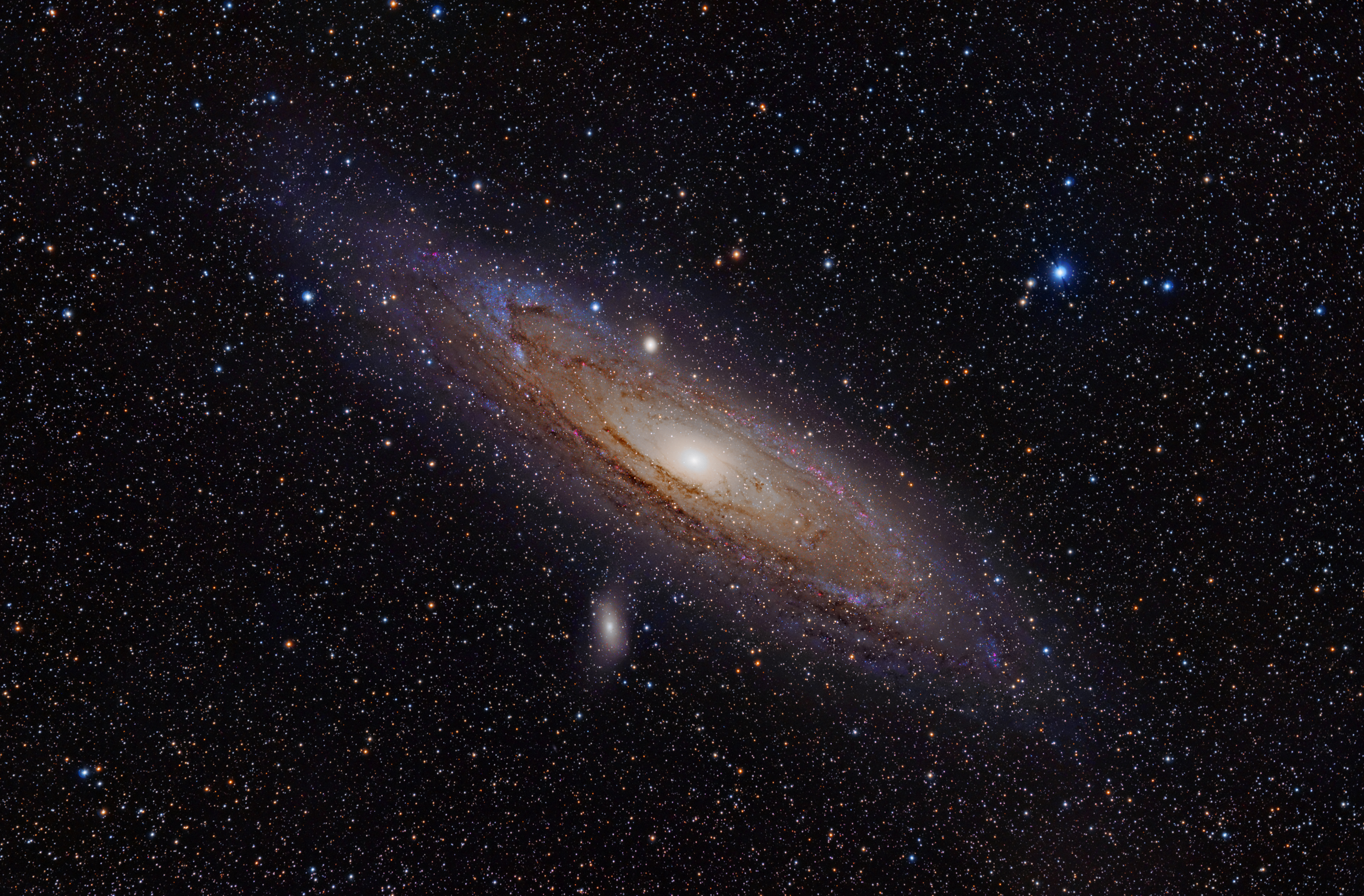
Seasonal Deep-Sky Objects Visible from Canadian Latitudes
From the Orion Nebula in winter to the Sagittarius star clouds in summer, Canadian skies offer accessible targets through all four seasons.
Focused on Canadian observing conditions
Canada's geographic spread means that sky conditions, observable objects, and seasonal timing differ significantly from sources written for mid-latitude US or European audiences. This site addresses those differences directly.
Content here covers dark sky site access across provinces, telescope performance at temperatures common in Canadian winters, and which deep-sky objects transit high enough from Canadian latitudes to observe well.
All references link to publicly accessible astronomical organizations and government sources. No data is fabricated or extrapolated without disclosure.
Authoritative sources on Canadian astronomy
Royal Astronomical Society of Canada
Administers the Dark Sky Preserve designation program and publishes the annual Observer's Handbook.
rasc.ca →DarkSky International
International Dark-Sky Association maintains a global database of designated dark sky places, including Canadian sites.
darksky.org →Parks Canada — Dark Sky Preserves
Parks Canada maintains several national parks with active dark sky programming and public observing events.
parkscanada.gc.ca →